Let us help you grow the business you love.
Your world is about to get a whole lot simpler.

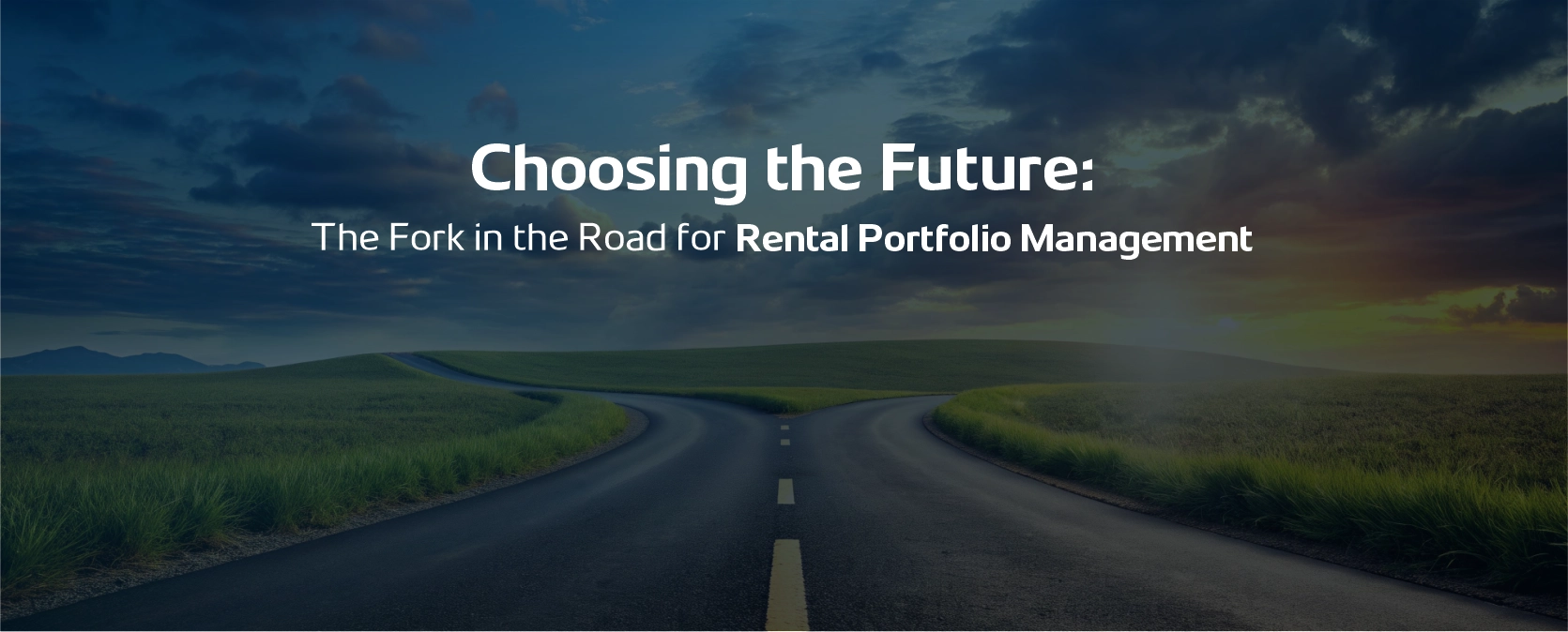

At ENGAGE’26 In Person for Rental Portfolios, we confronted a simple but significant truth.
Rental management businesses are standing at a fork in the road.
We don’t mean that in a dramatic, doom-and-gloom way. We mean it in the way you feel when you realise:
“Okay… the game has changed a bit. And pretending it hasn’t isn’t helping anyone.”
The reality is, for a long time, most rental agencies competed on the same things:
The promise was simple:
“We do the admin well, and we do it efficiently.”
That promise built a lot of good businesses. It kept portfolios running. It helped landlords sleep at night. It created real stability in a complex industry.
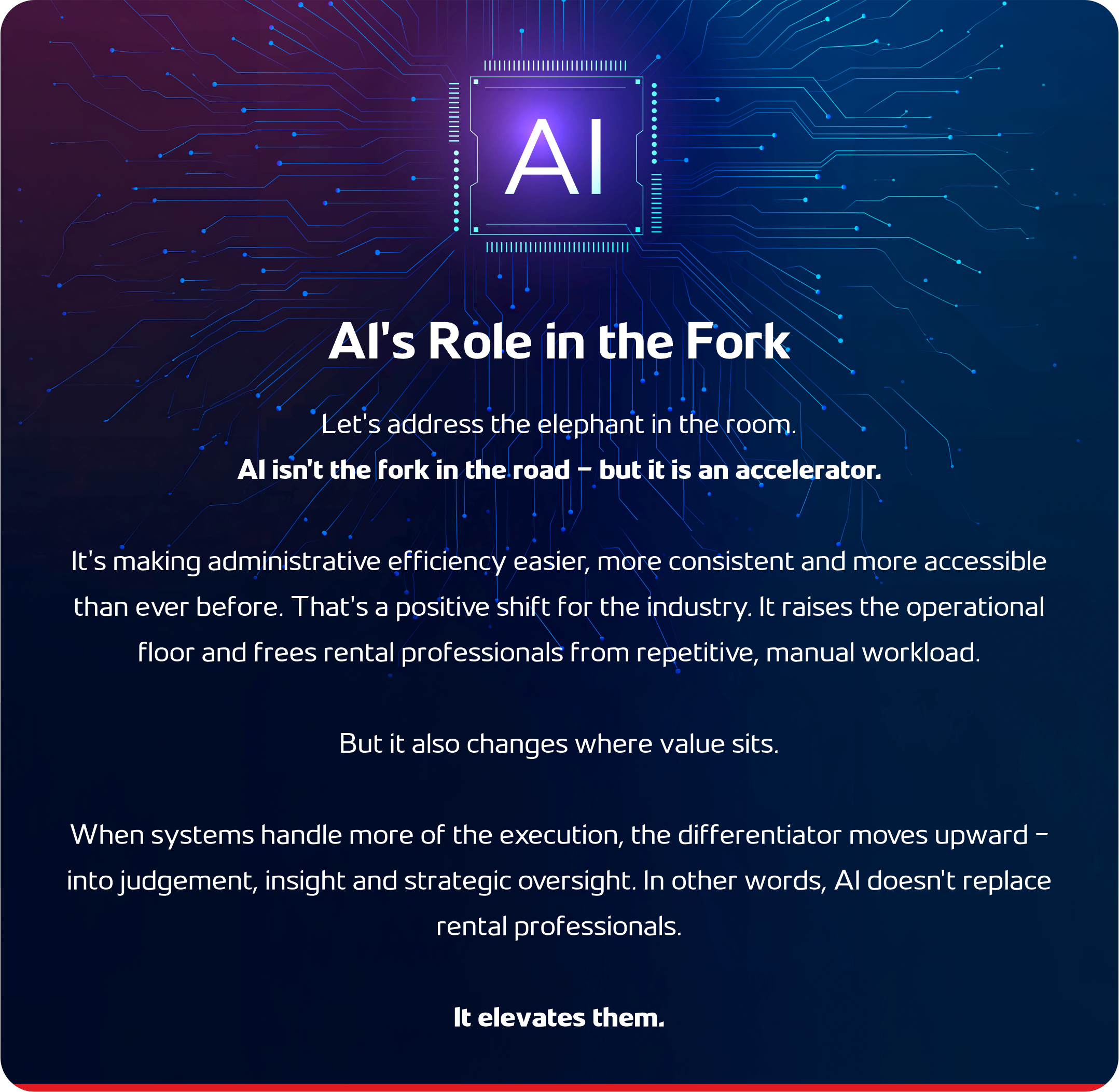
But with AI and automation now making efficiency achievable for everyone, efficiency on its own is no longer a service differentiator.
If efficiency isn’t going to help your business stand out, you’re probably wondering:
What is?
This is where the fork in the road comes in.
On one side is the path many agencies are already on – often unintentionally. It’s the action-driven road, built around activity, responsiveness and operational input.
The trouble is, if technological advancements mean every agency can now process leases quickly, automate reminders, reconcile efficiently and generate clean reports, then – from a client’s perspective – there’s very little setting you apart from your competition.
When that happens, clients are left with only one visible point of comparison: price.
And once price becomes your primary differentiator, margin pressure isn’t far behind.
The second road is where things get interesting.
It’s where rental businesses stop asking, “How do we process this more efficiently?” and start asking, “How do we manage this asset more strategically?”
It’s a subtle shift in language, but a profound shift in positioning – moving away from an action-driven rental model (focussed on input) to a value-driven one (focussed on outcomes).
The conversation is no longer just about turnaround times and task completion. It begins to centre on income stability, risk exposure, vacancy trends, maintenance planning and long-term performance. The work itself may look familiar, but the intention behind it is different.
You’re not simply filling a vacancy. You’re protecting an income stream.
You’re not just managing arrears. You’re safeguarding cash flow.
You’re not only coordinating repairs. You’re preserving and enhancing capital value.
When that becomes the core of your service model, your role shifts from administrator to strategic partner.
That shift matters – especially in a market where property remains one of the most resilient asset classes available to South African investors. Rental property is a serious investment, it deserves to be managed as one.
The road you choose doesn’t just influence how your service is positioned. It shapes the kind of business you are building over the next five or ten years.
In a value-driven rental business, asset performance becomes the anchor of every decision. The commercial impact unfolds steadily. Fees become easier to justify because they’re tied to income protection and risk management, not simply time and effort. Client relationships deepen because the conversation moves beyond “what was done” to “how the asset is performing”. Retention strengthens because investors see their property being managed with intention.
Profitability improves too – not necessarily through aggressive expansion, but through healthier margins and more stable revenue. Growth feels less frantic and more deliberate. And over time, the portfolio begins to resemble something far more substantial than a list of mandates. It becomes a strategic, defensible business asset in its own right.
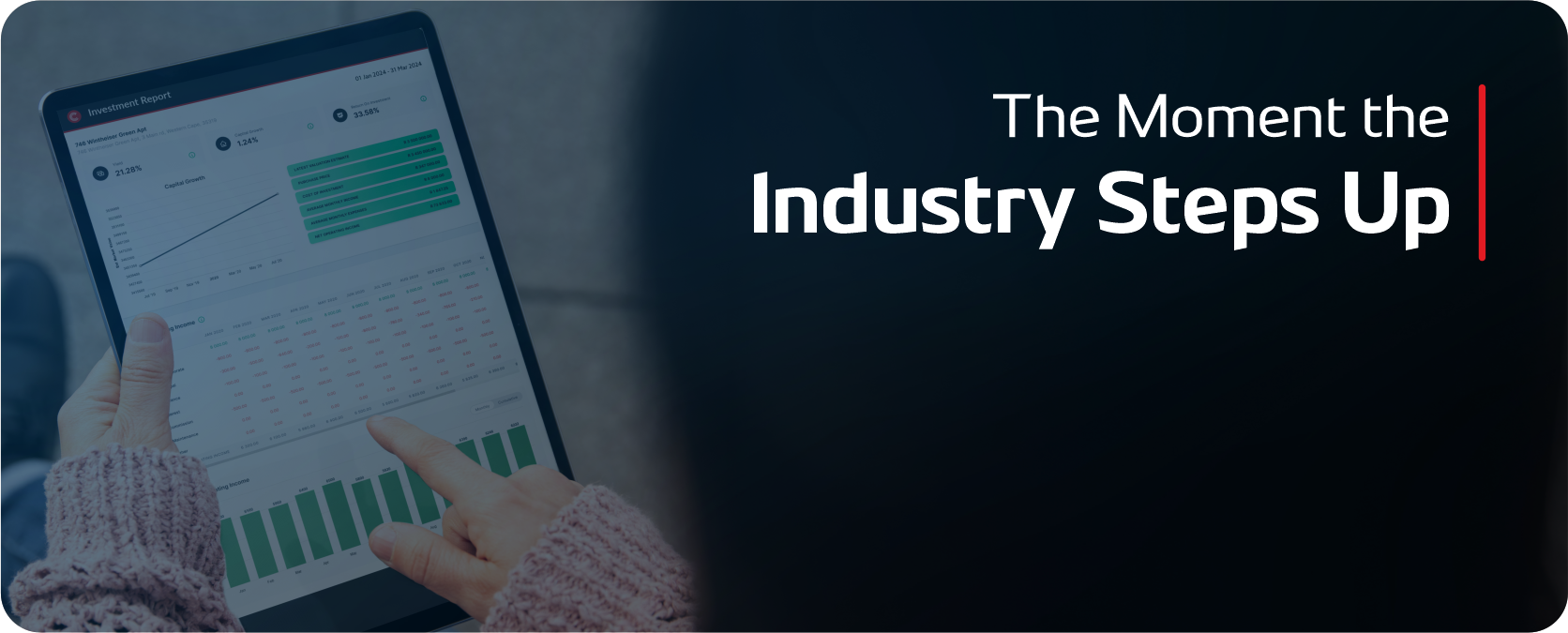
This is where the real opportunity lies.
Because this fork in the road isn’t about reacting to pressure. It’s about stepping into maturity as an industry.
For years, rental management has carried enormous responsibility with very little recognition for the strategic value it adds. This shift creates an opportunity to close that gap – to position rental professionals not as administrators of transactions, but as custodians of performance.
It requires intention. It requires clarity. And yes, it requires leadership.
But it also plays directly to the strengths of this industry.
South Africa’s rental professionals understand complexity. They understand risk. They understand how much is at stake for the investors who trust them with their properties. The move toward value-driven asset management isn’t a departure from what the best agencies are already doing – it’s an elevation of it.
The fork in the road simply makes that elevation explicit.
And that’s a powerful place to stand.
If you’re ready to position your business around performance, protection and long-term asset value, this is the moment to be intentional. Let’s lead the future of Rental Asset Management together.