Let us help you grow the business you love.
Your world is about to get a whole lot simpler.

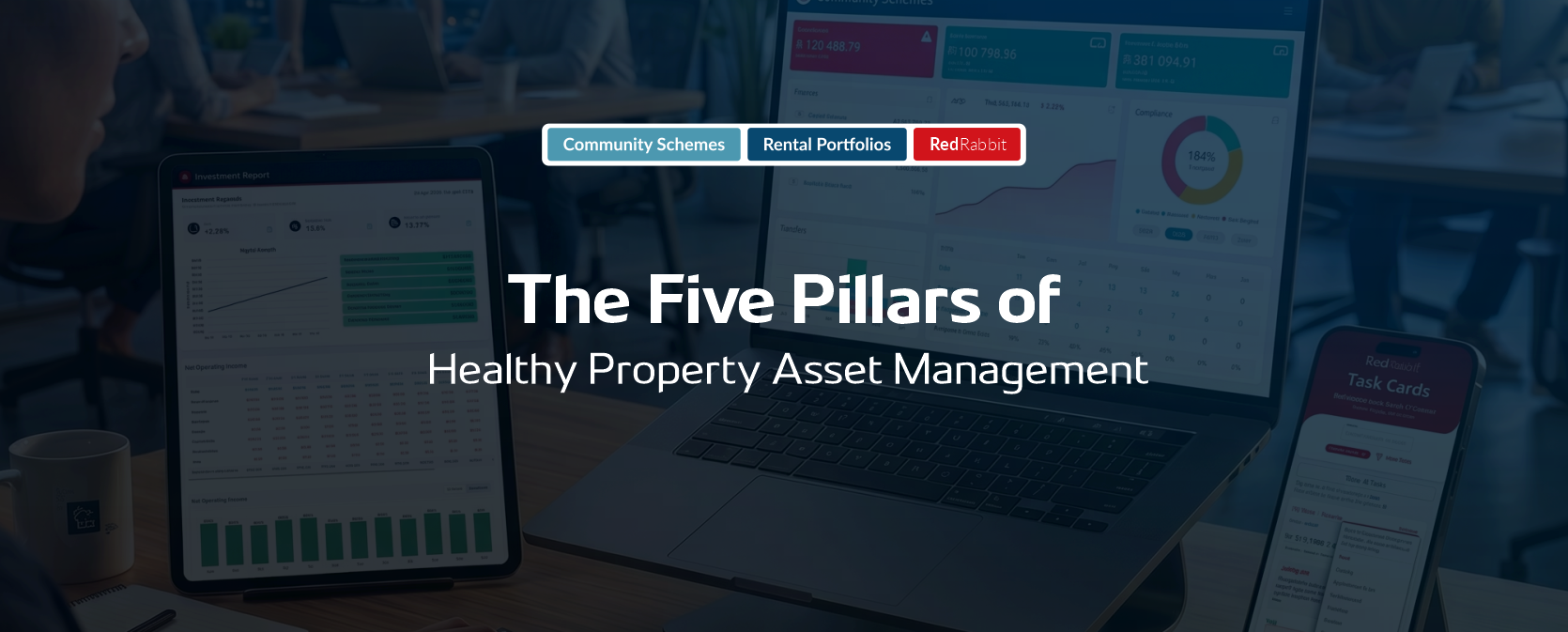

We talk about properties being “well managed” all the time, but if you ask ten property professionals what that actually means, you’ll likely get ten completely different answers.
Is a rental property well managed because the rent is collected every month? Is a community scheme well managed because its finances are in order? Because it’s compliant? Because maintenance happens on time? Because its trustees and owners are happy?
The fact is, all of those things matter, but none tells the whole story. If we're serious about quantifying how well property assets are being managed – and we should be, if we’re going to demonstrate the industry’s true value – we need a more complete way to define what “well managed” actually looks like.
That’s the thinking behind the Property Asset Management Health Framework we are developing.
Rather than relying on any single indicator, the framework identifies five areas of property asset management that can be observed, measured and tracked over time. Each offers a different perspective on how well an asset is being managed. Together, they give us a far more reliable view of its overall management health.
Here’s what we’re talking about.

Financial health is about more than tracking whether money is coming in. It considers the quality and sustainability of that income, and the risks surrounding it.
For rental assets, that means analysing indicators such as rent, arrears, deposits and revenue per asset.
For community assets, it includes levies, debt, collection activity and cost pressures affecting long-term financial sustainability.
Together, these indicators reveal whether the asset is on a sound financial footing – or where pressure may be starting to build.
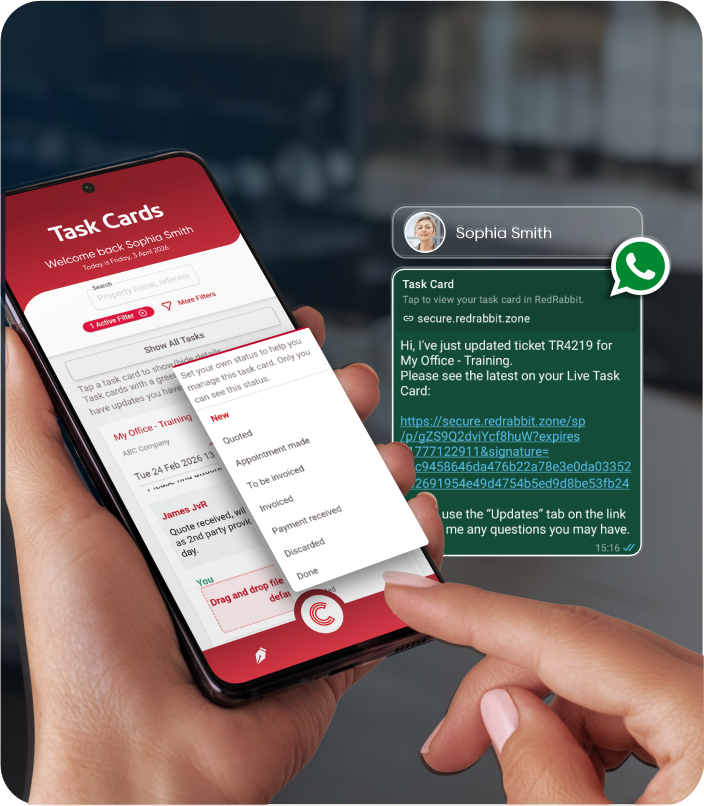
Even the best asset management strategy means very little if the day-to-day work behind it isn't being executed consistently.
Inspection activity, maintenance workflows, payments, debt actions, communications and recurring tasks all provide useful signals of whether the operation has the structure and capacity to deliver reliably.
Delays, bottlenecks and growing task loads can reveal pressure points long before they become obvious to clients.
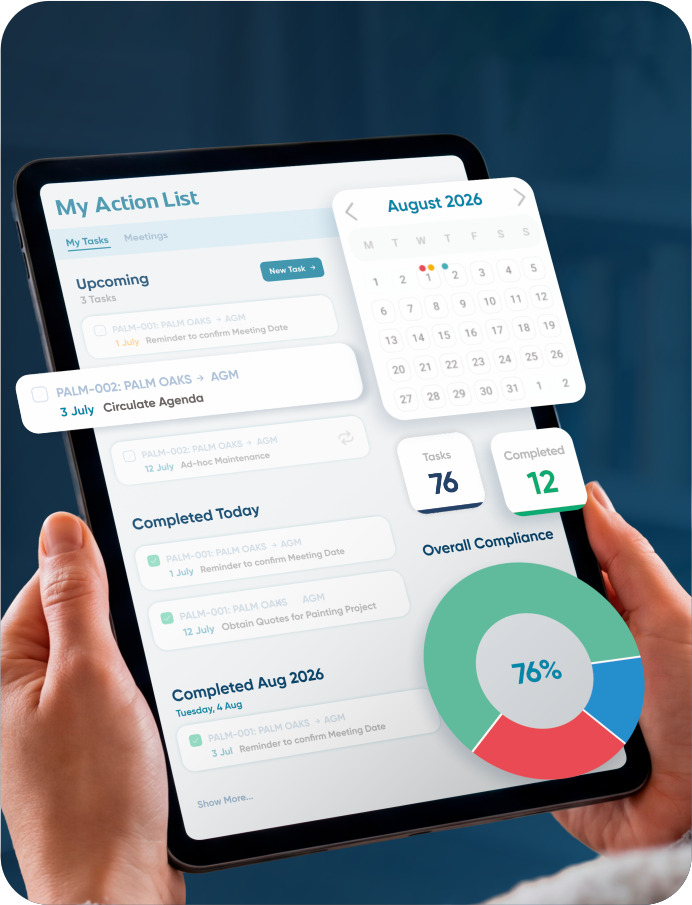
Good governance and compliance create the guardrails for responsible property asset management, ensuring decisions are properly made and recorded, obligations are met, and stakeholders are protected.
In rental management, mandates, leases, FICA processes, deposit handling, inspection records, arrears processes and audit trails all contribute to the picture.
In community management, key indicators include trustee decisions, approvals, meetings, financial controls, insurance, statutory obligations and audit readiness.
Together, these signals can expose gaps in accountability, documentation or process before they become legal, financial or reputational risks.

A property's condition is one of the most visible expressions of how well it is being managed over time.
For rental assets, inspections, recommendations, maintenance activity, recurring defects and repair trends provide a growing record of that condition. For community assets, maintenance planning, infrastructure pressures, repairs, insurance and reserve planning broaden the picture.
Tracking these signals helps identify patterns early enough to plan, prioritise and prevent avoidable deterioration and cost.

Not every indicator of healthy asset management sits neatly on a balance sheet or maintenance schedule. Stakeholder experience matters too – and can be measured with reasonable confidence.
Communication, reporting, responsiveness, transparency and meeting discipline all indicate whether investors, trustees and owners have the visibility and confidence needed for good decision-making.
This is also where much of professional property management becomes visible to the client.
Strong stakeholder experience builds trust in the management process; poor visibility and communication can undermine that confidence even when much of the work behind the scenes is being done well.
The real power of the framework works in two directions.
Tracking effectiveness across the five pillars shows property professionals where strong outcomes are being achieved and where there is room to improve – creating opportunities to continually raise the quality of asset management services.
At the same time, connecting actions to outcomes makes professional value far more visible to clients. An inspection becomes evidence of proactive asset protection. Arrears management demonstrates income protection. Strong governance shows risk being actively managed.
The result is an opportunity to become both more valuable in the service delivered and more valued for the outcomes achieved.
The five pillars give property professionals a structured way to track management health within their own portfolios. But those measurements become far more meaningful when viewed within industry context.
This is where WeconnectU has an important contribution to make. With more than 1.4 million professionally managed assets connected across our rental and community management, inspections and maintenance solutions, we have a unique opportunity to responsibly aggregate anonymised operational data to begin building that broader context.
The Property Asset Intelligence Report we are currently developing is intended to become an important next step in this journey, bringing together signals across the five pillars to help property professionals benchmark their own results, identify emerging trends and better understand what healthy property asset management looks like across the industry.
For us, this is about more than publishing data. It’s about using our position as a software partner to help move the industry forward, giving property professionals the insight to keep raising the standard of the service they deliver, demonstrate their impact more confidently and ultimately become both more valuable and more valued.
There is still work to be done as we bring the framework, data and industry context together, but we believe the opportunity is significant.
As this initiative develops, we look forward to sharing more about how Property Asset Intelligence can help create a clearer, richer understanding of healthy property asset management in South Africa and further equip property professionals to deliver greater value to the clients and assets they serve.