Let us help you grow the business you love.
Your world is about to get a whole lot simpler.

The shift from Community Administration to Community Asset Management has been a major conversation across the property management industry for some time now. The direction is clear, and considerable progress has been made in developing the technology, tools and processes to support it.
And yet, our latest Community Management Product and Industry Survey found that almost 47% of respondents believe their businesses are still in the earliest stages of that journey. Only 14% described themselves as currently operating as Community Asset Managers.
So why does the destination seem so far away for so many community management businesses?
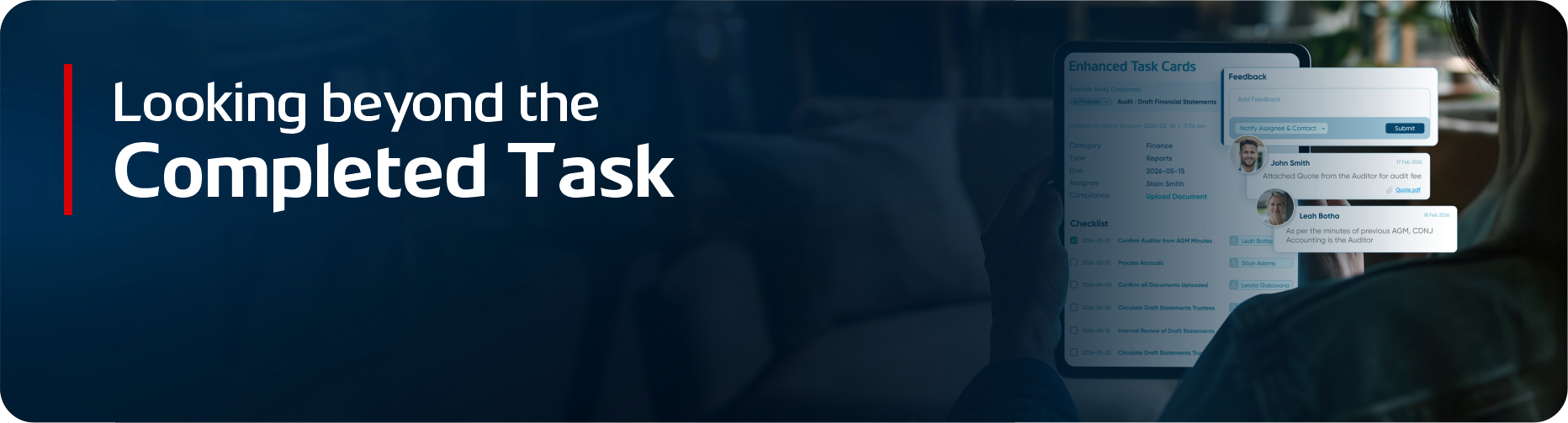
Perhaps part of the answer lies in how the demands of community management have shaped the way professionals think about their role.
Community managers have traditionally had their hands full keeping things running. Between collecting levies, coordinating maintenance, managing compliance, supporting trustees and responding to owners, there's often been little time to step back and consider the bigger picture.
And yet, all of that work contributes to something much greater than the completion of administrative tasks.
Effective levy collection supports financial stability. Well-managed maintenance protects physical assets and the living environment. Accurate records and clear communication help trustees make better-informed decisions and strengthen governance.
These are all contributions to the five dimensions of community health: financial health, operational health, governance and compliance, physical asset health and community experience.
The challenge is that when community managers spend most of their time and attention on the work itself, it's easy to lose sight of these broader outcomes. There's even less opportunity to identify where they could contribute more strategically, or to help clients understand the full value of what they already do.
And that's where the capacity being created through better technology and more efficient processes presents such an exciting opportunity.
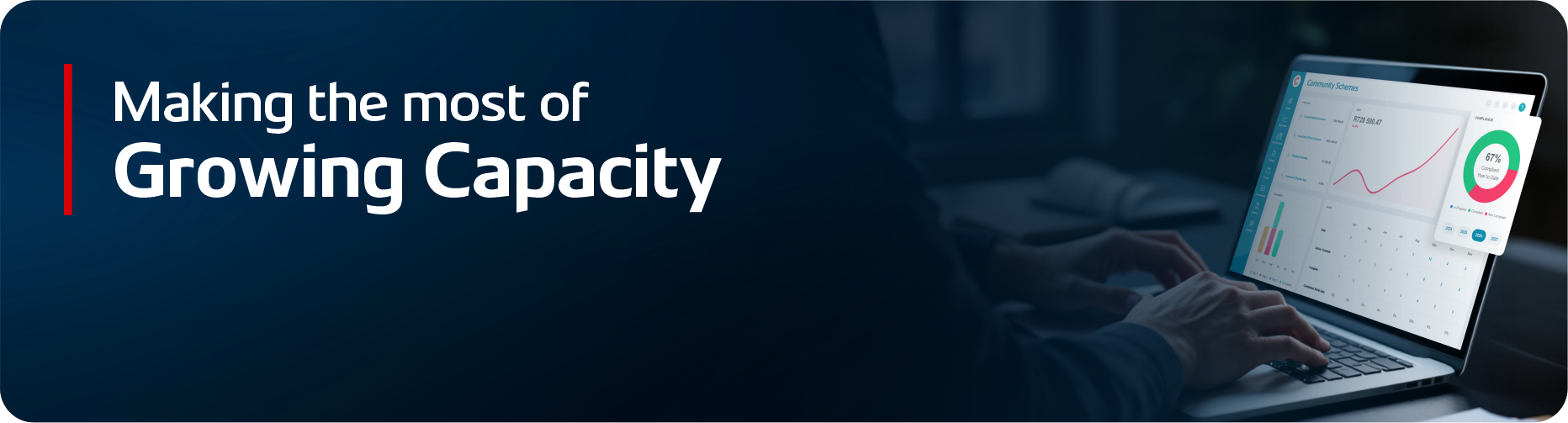
Better systems, connected information and automation are helping to reduce the administrative burden on community managers, while emerging AI capabilities are opening up even more possibilities.
Our survey reflects this growing engagement with technology, with approximately 61% of respondents reporting active AI use within their organisations, and another 22% experimenting with it.
That's exciting progress. But it also raises an important question: How can community managers make the most of the time and capacity being created?
For some businesses, greater efficiency means being able to manage larger portfolios without placing additional pressure on their teams. That's a valuable outcome, supporting more manageable, scalable and profitable operations.
But there's also an opportunity to use that capacity to deepen their contribution to the communities they manage. To spend more time identifying emerging risks, anticipating future needs, providing strategic guidance and helping trustees make better-informed decisions.
And that's where the way we understand the community manager’s role becomes so important. If success continues to be measured primarily through administrative output, it's easy for additional capacity to be absorbed by more of the same.
When community managers start thinking about their contribution in terms of community outcomes, however, they can make more deliberate choices about where to invest their time and expertise – and how to become even more valuable to the people they serve.
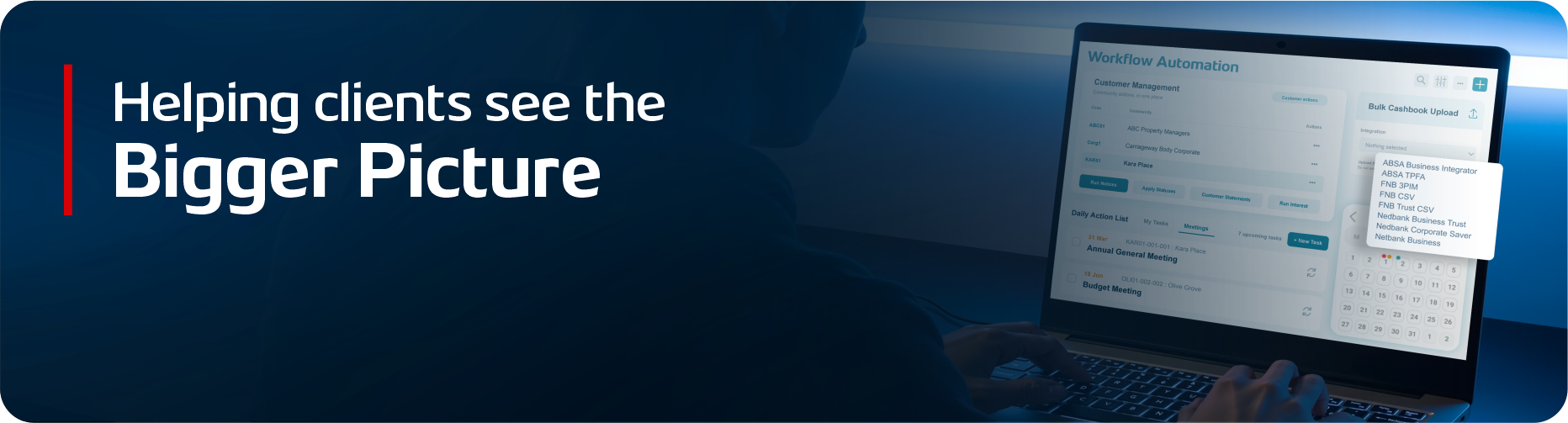
There's another opportunity in the capacity being created, too: giving community managers more room to help clients understand the value of their work.
When most of their time is spent managing immediate demands, reporting can easily become a record of tasks completed and issues resolved. With more capacity and better technological support, managers can step back and draw clearer connections between that activity and the health of the communities they serve by identifying patterns, explaining risks, making recommendations and demonstrating progress over time.
That makes for better conversations with owners and trustees, giving them the context to make informed decisions, greater confidence in the management relationship and a clearer appreciation of the expertise and judgement behind the service they're paying for.
It's an important part of creating property managers who are not only more valuable, but more valued.
The transition towards Community Asset Management is part of a much broader evolution taking place across the property management industry. From changing client expectations to emerging technologies and new business pressures, there's plenty for property professionals to consider as they plan for the year ahead.
So, which trends will matter most in 2027, and how can property management businesses make the most of the opportunities they present?
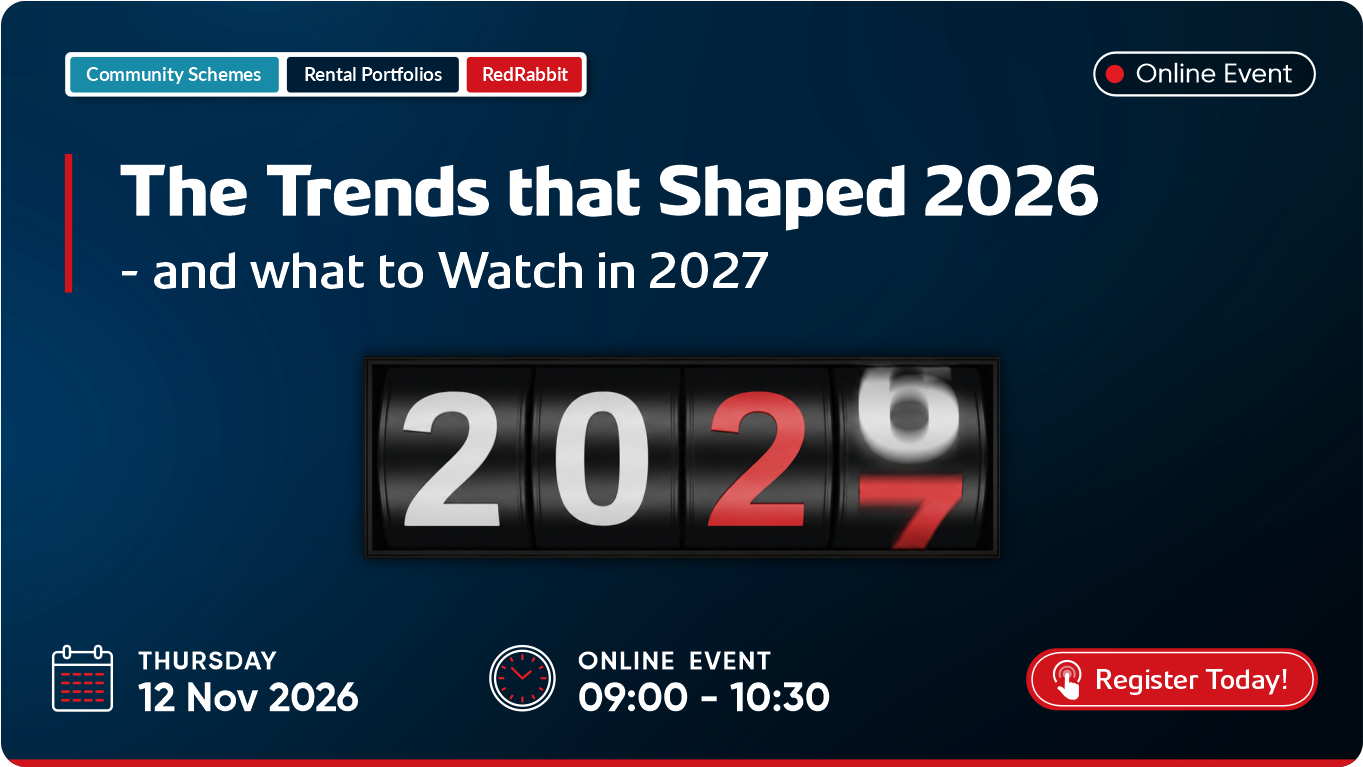
These are some of the questions we'll be exploring at The Trends That Shaped 2026 – And What To Watch In 2027. In this focused, 90-minute conversation, we'll draw on our industry and product surveys, portfolio data and client insights to connect what we're hearing from property professionals with what we're seeing across the WeconnectU ecosystem, and consider what these patterns could mean for 2027.
The conversation will continue through ENGAGE 2027, building on an established programme of industry intelligence, expert perspectives, practical learning and collaboration. For property professionals looking to take their businesses forward, ENGAGE offers a valuable opportunity to learn from industry leaders and peers, explore fresh ideas and gain practical insights they can apply.
The future of property management will be shaped by the professionals who put these opportunities to work. At WeconnectU, our ambition is to help our clients lead that progress, building stronger businesses, creating greater value for the communities and assets they manage, and raising the bar for the profession as a whole.
We're excited to see what we can achieve together in 2027!